Packaging cushioning is the protective material placed between a product and its outer container to absorb shock, vibration, and compression during transit. The right cushioning material prevents damage worth 3-5% of shipped goods value annually. In 2026, with sustainability regulations tightening, the cushioning landscape is shifting from petroleum-based foams to paper honeycomb, molded pulp, and biodegradable alternatives.
What Is Packaging Cushioning?
Packaging cushioning refers to any material engineered to absorb mechanical energy during shipping — including drops, vibrations, compression, and lateral impacts. Effective cushioning converts kinetic energy into heat through material deformation, preventing that energy from reaching the product. The science of cushioning design follows the Cushion Curve methodology, where material thickness, density, and static loading are optimized for each product's fragility rating.
8 Types of Cushioning Materials
| Material | Type | Best For | Recyclable |
|---|---|---|---|
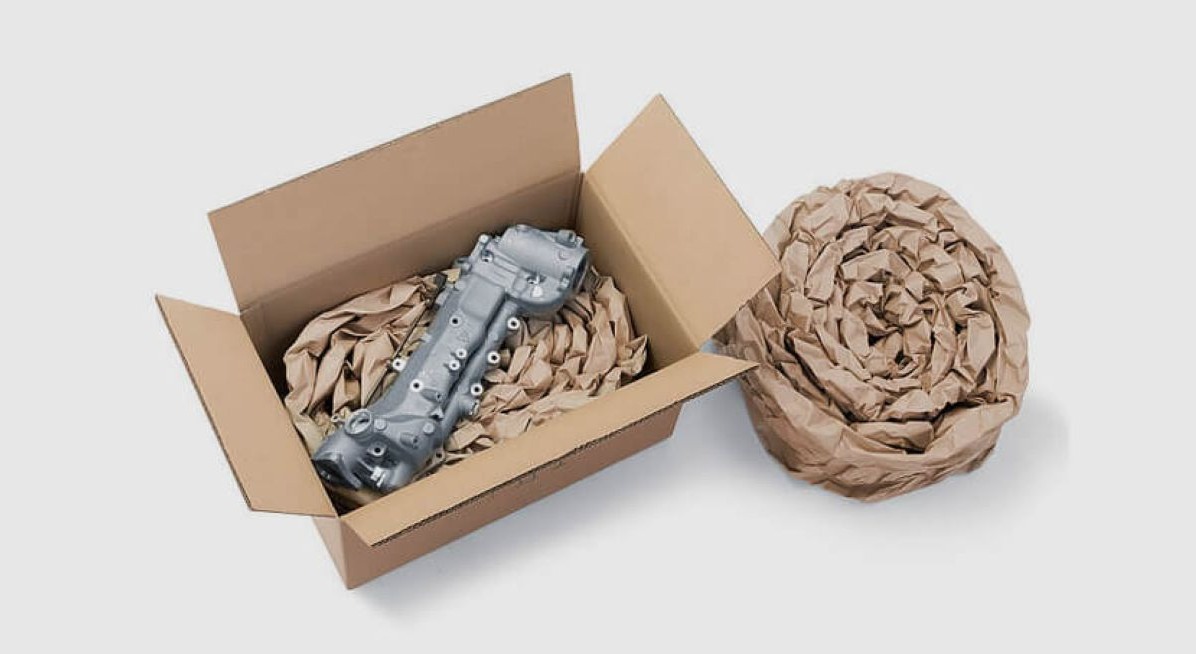
| Honeycomb Paper | Cellulose hexagonal cells | Heavy/fragile — auto, electronics | Yes — paper stream |
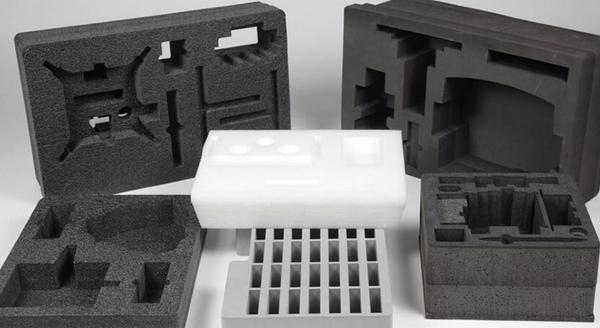
| EPE Foam | Expanded polyethylene | Electronics, precision instruments | Specialty recycling |
| EPS Foam | Expanded polystyrene | Appliances, bulk goods | Specialty only |
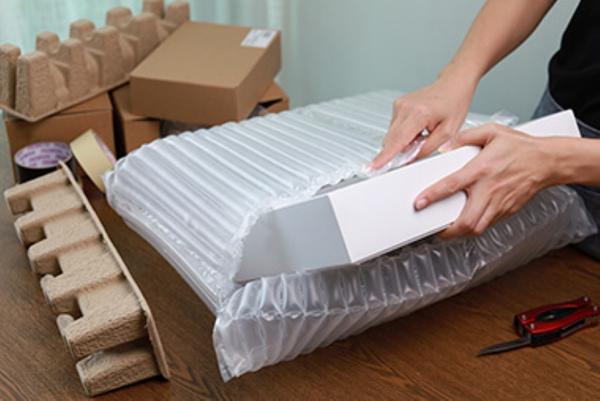
| Air Pillows | Inflated HDPE/nylon film | Void fill — e-commerce | Film recycling |
| Bubble Wrap | PE film with air pockets | Surface wrapping fragile items | Film recycling |
| Molded Pulp | Recycled paper fiber molds | Eggs, electronics, cosmetics | Yes — paper stream |
| Corrugated Inserts | Die-cut fluted board | Bottles, jars, partitions | Yes — paper stream |
| Foam-in-Place | Polyurethane expansion | Custom-shaped heavy items | No — landfill |
Performance Comparison
| Metric | Honeycomb | EPE Foam | Air Pillows | Bubble Wrap |
|---|---|---|---|---|
| Drop Protection | 65-75% | 80-90% | 30-40% | 50-65% |
| Compression | Excellent | Good | Poor | Moderate |
| Vibration Damping | Good | Excellent | Moderate | Good |
| Weight | Light | Very Light | Lightest | Light |
| Biodegradable | 2-6 months | 500+ years | 500+ years | 500+ years |
| EPR Status | Exempt | Fees apply | Fees apply | Fees apply |
| Reusability | Single-use | Multi-use | Single-use | Multi-use |
How to Select Cushioning
| Product Type | Fragility | Recommended Cushioning |
|---|---|---|
| Clothing, soft goods | Robust | None or tissue paper — flat kraft mailer |
| Boxed cosmetics, books | Semi-fragile | Corrugated inserts or molded pulp |
| Glass bottles, ceramics | Fragile | Honeycomb wrap or EPE foam |
| Electronics, screens | Fragile | EPE foam corners + air pillows void fill |
| Heavy machinery parts | Ultra-heavy | Honeycomb boards + custom die-cut |
| Lab equipment, optics | Ultra-fragile | Foam-in-place or multi-layer EPE |
The Sustainability Shift
EPR Impact: All plastic-based cushioning (EPS, EPE, air pillows, bubble wrap) now attracts per-unit EPR compliance fees under CPCB. Paper-based alternatives (honeycomb, molded pulp, corrugated) are exempt.
Consumer Perception: 72% of online buyers prefer brands using eco-friendly packaging materials.
Marketplace Requirements: Amazon Climate Pledge Friendly and Flipkart Green both incentivize plastic-free cushioning.
Combination Strategy: Most professional operations use 2-3 materials together — honeycomb for structure, molded pulp for nesting, corrugated for partitions.
Cushion Curve Basics
G-Factor: Every product has a maximum deceleration (G-force) it can withstand. Glass = 25-40G. Electronics = 40-60G. Robust items = 80-100G+.
Static Loading: Weight per unit area of cushion surface. Too little = bottoms out. Too much = doesn't compress enough to absorb energy.
Thickness: More thickness = more deceleration distance = lower peak G-force. Double thickness roughly halves peak G for a given drop height.
Complete Cushioning Solutions from BENZ Packaging
Honeycomb, EPE foam, corrugated inserts, molded pulp, and custom-engineered protection systems.
ISO 9001 certified. Free cushioning assessment for your product line.
Request a Free Consultation at benzpackaging.com
BENZ Packaging Solutions Pvt Ltd | IMT Manesar, Gurugram | 080-4275-7261 | care@benz-packaging.com